
Supporting Mental Wellness Through Activities
17 July 2026
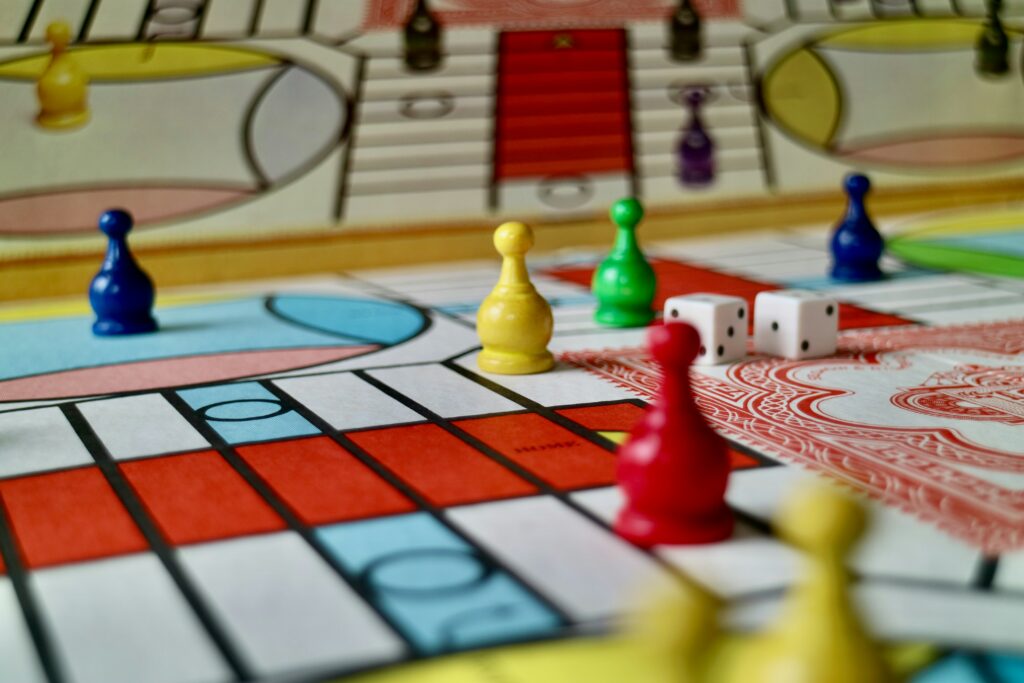
With mental health being a global priority, much work has been carried out to raise awareness and break stigmas. However, whilst much effort has been dedicated to increasing awareness, it is crucial to place an emphasis on prevention.
If awareness has opened the door, prevention must now walk through it. But what does this mean? It means not only encouraging people to seek professional help when needed, but also empowering people to take care of their mental health in the same way that they look after their physical health. This is especially important when considering the potential barriers that can be faced to accessing professional support.
One way that mental wellbeing can be supported is through hobbies and activities — in the same way that somebody may start walking or jogging for physical health, there exists a plethora of enjoyable activities that can improve mental heath. Academics have made clear that, by dedicating time to personal interests, you can maintain a work-life balance which can prevent fatigue and burnout, and improve overall mental wellbeing1.
Board Games
A classic and easily approachable hobby is playing board games, which can provide great fun, in addition to presenting opportunities for social interaction. This is excellent for your mental health, not only due to the fun involved, but also due to the positive social aspects of board games — researchers have found that socialising and developing friendships through hobbies has resulted in improved mental health for those who partake, due to being socially active and thus having greater social support1. Academic research has also found that, in general, hobbies can play a substantial role in mitigating stress, anxiety, and depression1.
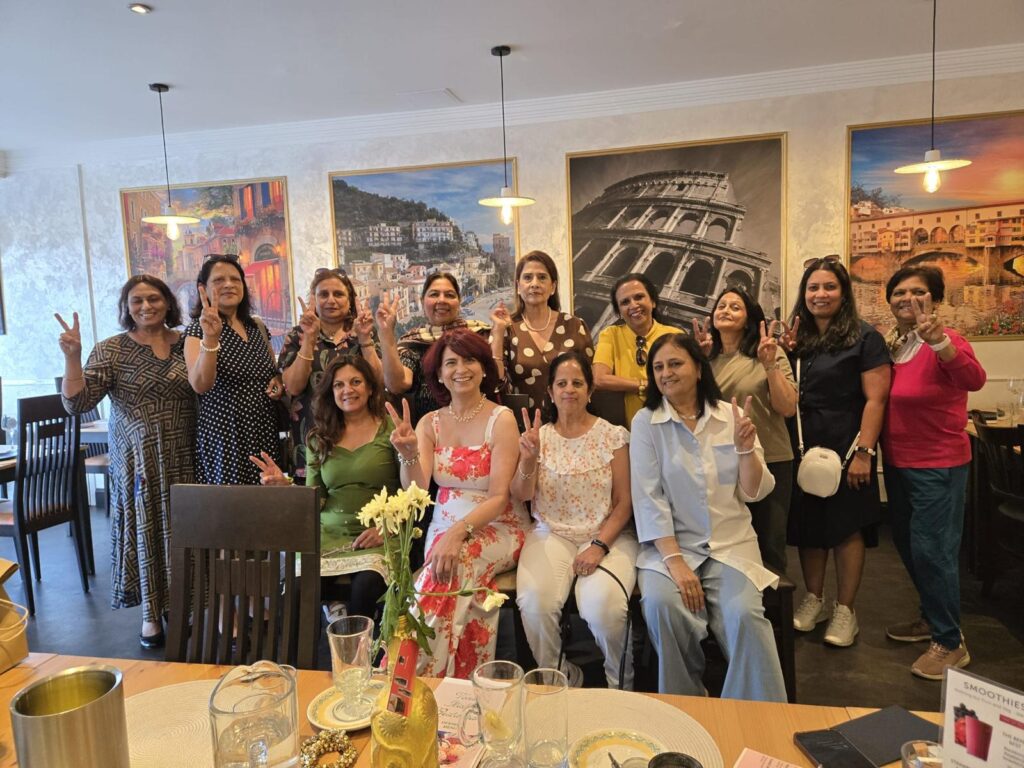
Whilst the benefits of board games are clear, even if for no other reason than the fun that they provide, some people may find themselves asking where, and with whom, they may play. At Maxable Global, we started an initiative to answer this question; through our Maxable Play & Connect programme, we run games mornings that bring people together in a casual, fun environment open to all.
Remember, we don’t stop playing games because we grow old, but we grow old because we stop playing games.
Dance
We all know that regular physical activity can bring great benefits for our physical health, but research has also shown that it can enhance our mental wellbeing2. Walking, jogging, running, or even attending the gym can all be excellent ways to introduce physical activity into your weekly schedule, but it is important not to forget dance as an option.
Less formal than regimental gym exercises, and arguably more fun than other types of exercise, dance can benefit both physical and mental health — a study that examined the effects of Latin dance has even suggested that it could be beneficial in alleviating symptoms of depression and anxiety2. But if Latin dance is not for you, there are still plenty of other forms of dance, which can also provide great opportunities to socialise and build friendships at dance workshops, boosting your mental wellbeing through increased connection and fun with others.
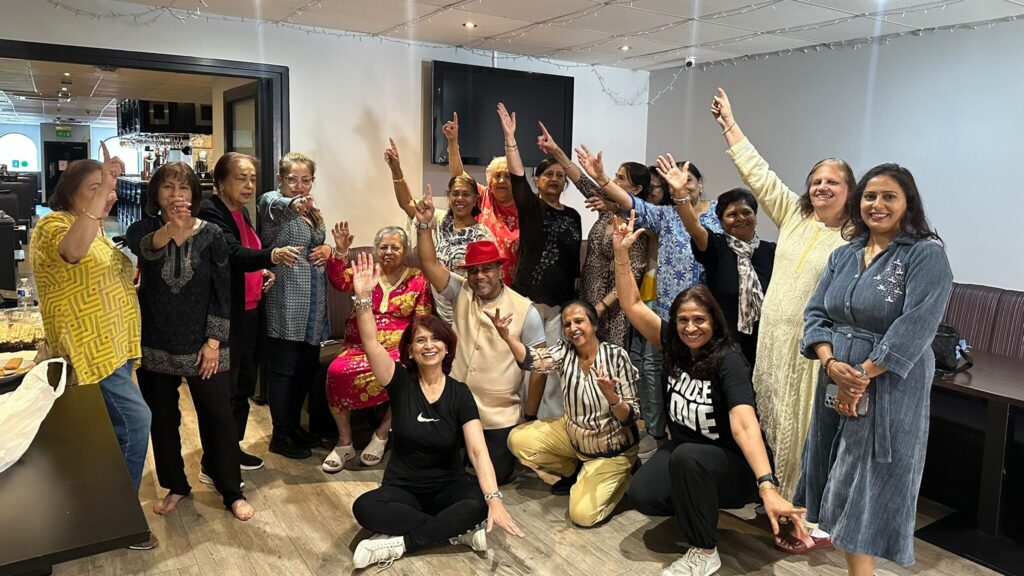
Understanding the power of dance to foster mental wellness, we started Maxable Wellness Moves, our own programme of inclusive dance workshops led by Jay Kumar, a renowned choreographer. Open to people of all ages and abilities, our workshops provide a truly inclusive space to bolster emotional wellbeing through music, rhythm, and movement.
Get Involved
After reading this article, you now know the benefits of partaking in hobbies and activities such as dance and board games, so there is only a single question left to answer: how can you get involved?
To answer that question, we invite you to join us at one of our inclusive dance workshops or games mornings — everyone is welcome regardless of age or ability, so why not come along?
Get in touch to find out about upcoming dance workshops and games mornings.
- Cleary, M. et al. (2025) “Exploring the Impact of Hobbies on Mental Health and Well-Being: A Scoping Review,” Issues in mental health nursing, 46(8), pp. 804–814. Available at: https://doi.org/10.1080/01612840.2025.2512006.
- Liu, X., Soh, K.G. and Omar Dev, R.D. (2023) “Effect of Latin dance on physical and mental health: a systematic review,” BMC public health, 23(1). Available at: https://doi.org/10.1186/s12889-023-16221-6.